What's Your Beef? Grizzly Bears Are Not the Story the Future of Wildlife Management Is
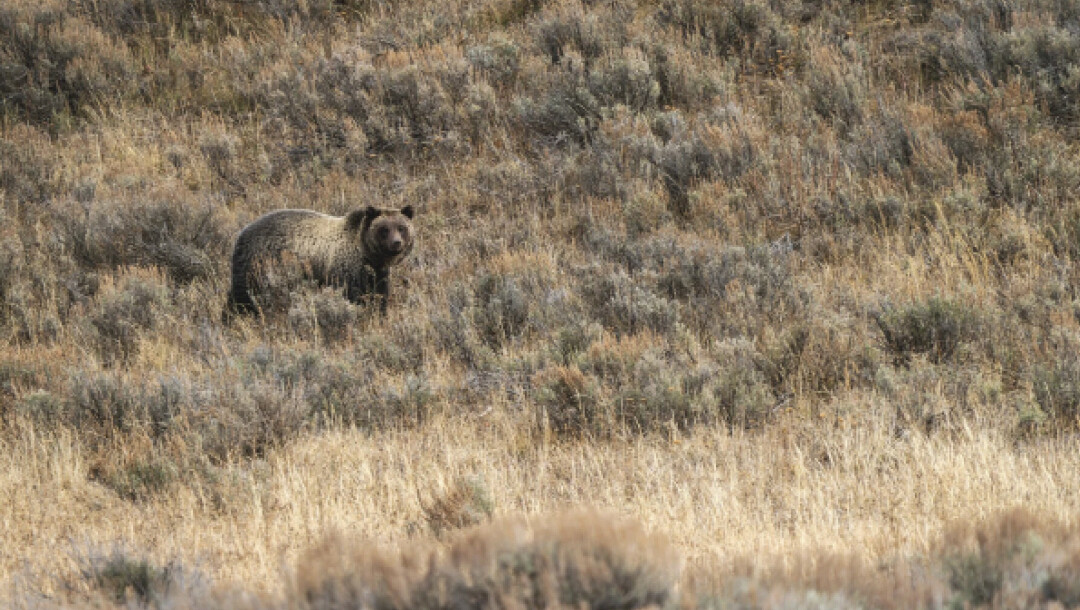 photo: Christopher Georgia
The debate over grizzly bear management is often framed around a single question: Have grizzly bears recovered enough to be managed by the states?
That is an important discussion, but it misses a much larger issue. The real question is: Who should decide the future of Montana’s wildlife—science or politics?
That question extends far beyond grizzly bears. It affects wolves today, mountain lions tomorrow, and every wildlife species in the years ahead. Grizzly bears are far more than another wildlife management issue. They are one of the last great symbols of the American West and a living reminder of the wild landscapes that make Montana unlike anywhere else. Millions of visitors who travel here every year hoping to see a grizzly bear in its natural habitat support local hotels, restaurants, outfitters, guides, photographers, and countless small businesses. Grizzly bears are also deeply woven into the cultural traditions of Tribal Nations and play an essential role in maintaining healthy ecosystems.
Simply put, grizzly bears belong to all of us.
The Endangered Species Act has helped grizzly populations recover across portions of the Northern Rockies. That success reflects decades of work by wildlife professionals, scientists, Tribal Nations, landowners, conservationists, hunters, and citizens, all of whom believed restoring this iconic species was worth the effort.
If federal protections are removed, the conversation changes. Delisting is not the end of the story—it is the beginning of a new chapter.
Once management authority shifts to the states, every decision matters. Population objectives, habitat conservation, conflict response, monitoring, public involvement, and any future hunting seasons will shape the future of grizzly bears for generations. Success should not be measured simply by whether bears remain on the landscape. It should also be measured by whether the public has confidence that wildlife decisions are transparent, accountable, and grounded in the best available science. That is where many Montanans have legitimate concerns.
Over the past two decades, wolf management has become one of the most divisive wildlife issues in the West. Regardless of where someone stands on those debates, they demonstrate how quickly wildlife policy can become influenced by politics, competing interests, and public division. At Wolves of the Rockies, we believe wolf management has too often been driven by political agendas and special interests rather than guided primarily by the best available science. In our view, that approach has weakened public confidence, and distracted from the broader goal of maintaining healthy, sustainable wolf populations.
Others may view that history differently, but it offers an important lesson.
As grizzly bear management enters a new chapter, Montana has an opportunity to learn from the wolf experience rather than repeat it.
This debate should never become people versus bears. Hunters value healthy wildlife populations and fair-chase traditions. Ranchers deserve practical, effective tools to reduce livestock conflicts. Wildlife watchers, photographers, anglers, hikers, outfitters, Tribal Nations, business owners, and families all benefit from Montana’s extraordinary wildlife. Every one of these voices deserves to be heard. Wildlife is not the property of any one organization, industry, or political party. It is a public trust.
That principle means wildlife belongs to every Montanan and should be managed for the benefit of all citizens—not simply those with the loudest voices or the greatest political influence. For that reason, science must remain the foundation of wildlife management. Science is not perfect, but it is objective. It relies on monitoring, peer-reviewed research, adaptive management, and the willingness to change as new information becomes available. It provides a stable framework for making difficult decisions based on evidence rather than emotion.
Politics has an important role in setting public policy, but wildlife management should not shift with every election cycle or legislative session.
Healthy wildlife populations require long-term planning, consistency, transparency, and public trust. Montana’s wildlife professionals are among the finest in the nation. They should have the resources, independence, and authority to make recommendations based on biological data, field research, and sound management principles. Public confidence grows when decisions are explained openly and citizens understand not only what decisions are made, but why they are made. Grizzly bears represent something much larger than themselves.
They remind us that conservation succeeds when people are willing to work together. Their continued presence reflects decades of investment in habitat protection, scientific research, conflict management, and public support.
The decisions made over the next several years will influence Montana’s grizzly population for decades. They may also establish the model for how our state approaches other controversial wildlife issues in the future. That is why every Montanan should pay attention. Ultimately, this conversation is not about whether someone likes or dislikes grizzly bears. It is about what kind of wildlife management system we want. Will it be guided by the best available science, transparency, adaptive management, and meaningful public involvement, or will it become increasingly shaped by political ideology and special interests?
The answer will affect far more than grizzly bears. It will influence how Montana manages wolves, mountain lions, wolverines, elk, moose, and many other species that define our state’s natural heritage.
Montana stands at an important crossroads. We can choose a future where wildlife decisions continue to be guided primarily by science and the public trust, or we can allow increasingly polarized politics to shape the future of species that belong to every citizen. At Wolves of the Rockies, we believe Montana deserves a wildlife management system that earns the confidence of hunters, ranchers, Tribal Nations, wildlife watchers, conservationists, and the general public alike. Those perspectives may differ, but each deserves a seat at the table.
The question is not whether Montana can manage grizzly bears. The question is how Montana chooses to manage them. Will we rely on science, transparency, accountability, and respect for all Montanans? Or will wildlife policy become another political battleground? The answer will determine far more than the future of grizzly bears. It will define the future of wildlife management in Montana.
Marc Cooke is President of Wolves of the Rockies, a Montana-based nonprofit dedicated to science-based conservation of wolves and other large carnivores. Learn more at www.wolvesoftherockies.org.