The Furniture That Communicates Warmth to Your Guests
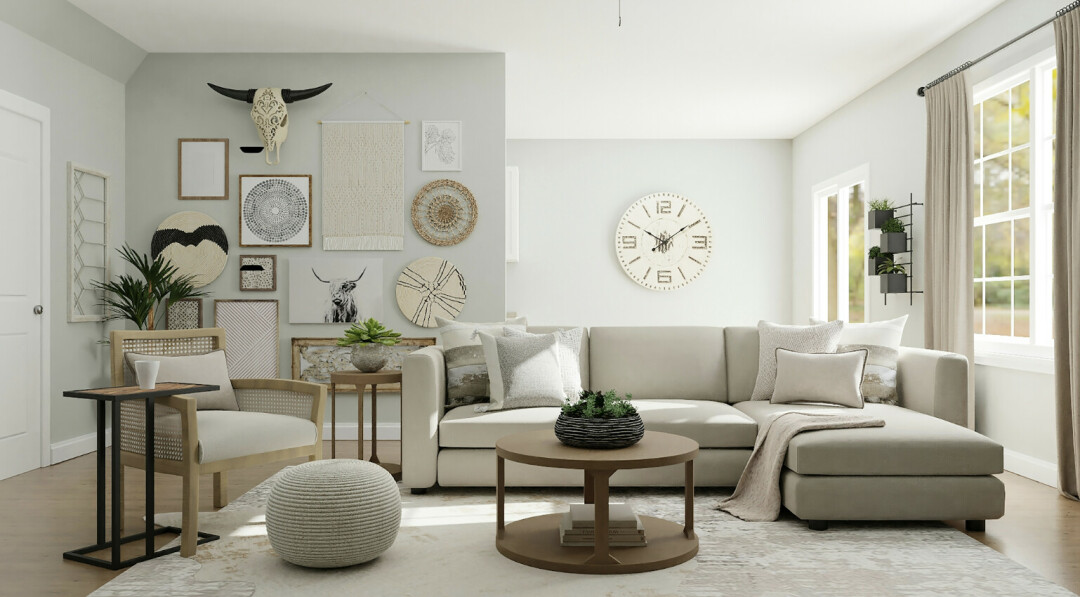
There's a particular kind of care that goes into preparing your home for someone you love. You think about what they'll want for breakfast. You clear a drawer. You leave the hall light on. These are quiet expressions of “I'm glad you're here and want you to feel it”.Here’s how furniture communicates that to your guests.
What Home Actually Gives People
Research in environmental psychology describes home as a place of refuge, acceptance, comfort, and renewal — a psychological sanctuary where people can let their guard down and simply rest. That need doesn't disappear when someone is sleeping under someone else's roof. If anything, it becomes more acute. Being a guest means being slightly out of place, slightly dependent, slightly at the mercy of a space that isn't shaped around you.
The host's job, at its core, is to close that distance and make a person feel that the space, for however long they're in it, has made room for them.
Neuroscience research shows that oxytocin — the hormone associated with calm and social bonding — is released not just by physical comfort, but by warm company. A home that genuinely tends to a guest's physical comfort doesn't just make the visit more pleasant — it deepens the connection between the people in it. Actions speak louder than words, and in this case, the action of implementing the right furniture is key to communicating.
The Gap Between Wanting to Host and Being Ready To
Most people who love hosting think about the table — the food, the drinks, the conversation that stretches past midnight. What gets less attention is what happens when the evening winds down and the guest needs somewhere to actually sleep.
An air mattress on a hardwood floor sends a message, even when nothing is said. So does a pull-out with a bar through the middle. These aren't failures of hospitality in spirit — they're gaps between intention and infrastructure. The host cares. The space just hasn't caught up.
A sofa bed closes that gap in the most practical way, living as a proper sofa, present and composed every day of the year, and converts into a proper sleeping surface when your guests need one. A sofa bed anticipates the needs of your guests with intentionality.
Why the Material Matters More Than You'd Think
Full-grain leather is warm without being heavy, structured without being stiff. The natural oils in the hide make it soft and pliable from the first sit, and it breathes in a way synthetic materials don't, staying comfortable through a long evening of conversation and a full night of sleep. Over time it softens further, developing the kind of worn-in character that makes a piece feel less like furniture and more like part of the house.
Environmental psychologists note that the objects we choose for our homes act as extensions of identity — signals of safety and belonging that say, in effect, you're welcome in this space. A leather sofa bed isn't just a practical solution. It's an intentional one — the kind that communicates, without any words, that the guest's comfort was thought about before they arrived.
The Morning After
There's a particular warmth in the morning after a good night's sleep at someone's home. The guest comes to the kitchen unhurried, without the particular exhaustion that comes from a bad night on a thin mattress.