Auction Cars for Montana Mountain Roads: What Bozeman Buyers Should Check First
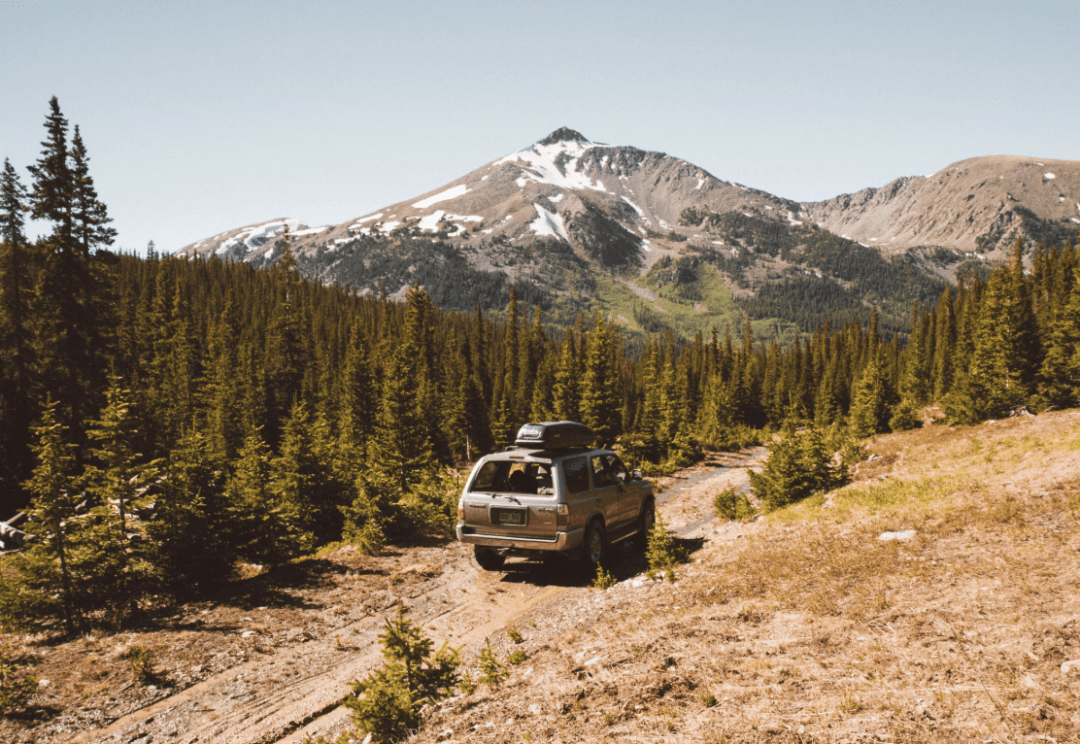
Bozeman changes the meaning of buying a car. A quiet test ride in town says little about late snow near Hyalite Canyon, a steep driveway after dark, wind on open pavement, or gravel cuts outside town. The wrong choice feels fine at first. Then the first storm arrives. Steering feels nervous. Tires hunt for grip. The cabin gets tense fast.
Auction research gives local buyers a wider path than one dealer lot. A bidder can compare clean title, repairable, repo, fleet, hail, theft recovery, truck, van, sedan, crossover, cars and SUVs from many places. Someone shopping far beyond Montana inventory can study a live listing through SCA Auction and compare damage notes, sale status, photos, title type, mileage, drivetrain, engine data, seller disclosures, transport cost, repair cost and final bid limits before choosing a candidate for Bozeman use.
Why Bozeman Buyers Need a Different Auction Mindset
Auction cars reward discipline. A glossy photo does not prove winter strength. A strong stance does not prove a healthy braking system. A bidder needs a cold weather checklist before emotion gets involved.
Montana mountain roads punish shortcuts. One buyer may chase a sporty BMW with rear-wheel drive because the price looks tempting. Another may study a Subaru Outback, check service records, compare tire wear, inspect underside photos and plan a realistic bid. Which path feels smarter after a snowy mountain commute? The second one usually wins.
The best car for mountain driving is rarely chosen by badge alone. It comes from matching daily life to real road conditions. School runs, airport trips, ski mornings, ranch roads, dirt roads, grocery stops and long mountain trips all create different pressure.
Core Auction Checks Before Bidding
Start with the listing. Read every line twice. Auction cars often show clues in small details. A front-end repairable listing with bent cooling parts deserves caution. A theft recovery vehicle with clean panels deserves a different inspection plan. A used car with high mileage needs service proof before trust grows.
Check these items first.
• Title type and state rules
• Damage area in photos
• Undercarriage rust
• Tire brand and tread pattern
• Airbag status
• Engine start video if listed
• Fluid leaks under the car
• Prior service notes
• Odometer consistency
• Transport quote to Bozeman
A 2024 listing may look fresh yet still need a full review. New cars also need scrutiny when auction photos show flood marks, deployed airbags or missing keys. Auction value comes from smart filtering rather than blind bidding.
Drivetrain First Then Power
For Bozeman, drivetrain matters before horsepower. AWD helps on slick pavement. An awd system sends power where grip exists. All-wheel drive suits many commuters because it reacts without driver input. Awd or 4wd becomes a real question when the route includes steep access roads, ruts, cabin trails or heavy storms.
4wd, 4-wheel drive and four-wheel drive usually suit deeper snow, slow climbs, trail approaches and work use. A low range transfer case helps at slow speed on rough routes. It does not replace judgment. It also does not shorten stops on ice.
Torque matters during climbs. Smooth torque helps a pickup truck ease forward without wheel spin. A v6 can work well in heavier rigs. A turbocharged 4-cylinder gives strong midrange pull when tuned well. Turbo power feels quick, yet repair cost should enter the bid math.
Models Worth Comparing at Auction
Some names appear often because buyers trust them. Toyota has loyal mountain buyers for good reason. The Toyota 4Runner, Toyota Tacoma, Land Cruiser and RAV4 each serve a different role. A 4Runner brings body-on-frame strength. The Tacoma handles gear, light hauling and trails. The Land Cruiser fits buyers who value long travel strength. The RAV4 works for commuting with practical space.
Subaru deserves attention in Bozeman. The Subaru Forester gives visibility, compact size and calm winter behavior. The Forester fits narrow streets and crowded lots. The Outback adds wagon-like cargo space with a lower loading height. Subaru Outback listings also attract buyers who want road-trip comfort without a full truck.
Honda, Nissan, Jeep and BMW can also fit the list. Honda often brings long-term reliability. Nissan crossovers vary by model so records matter. Jeep fits buyers who need trail strength. The Grand Cherokee blends cabin space with off-road capability. A smaller suv can beat a huge rig when parking, fuel use and daily handling matter.
Comparison Table for Auction Shortlists
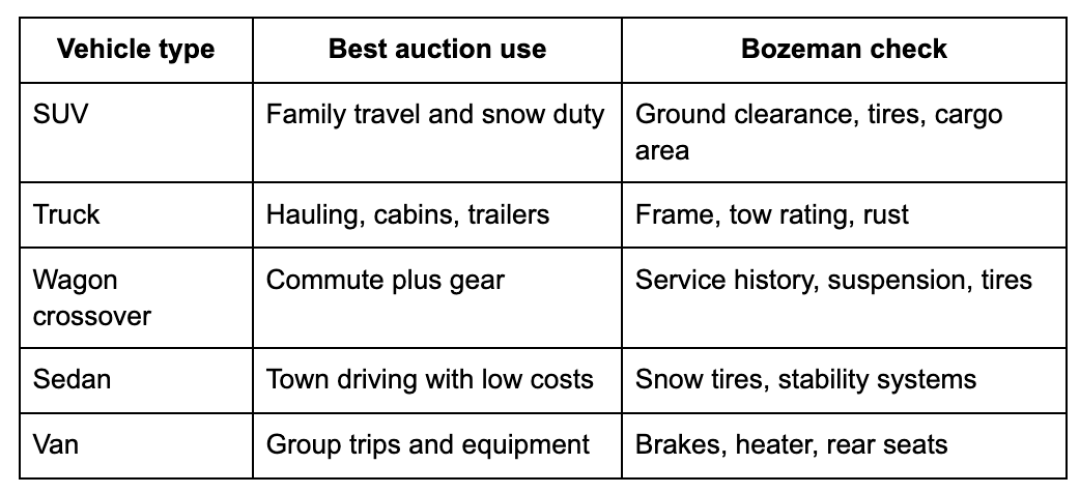
This table keeps the search focused. Best SUVs are not always the largest SUVs. SUVs and trucks need higher repair budgets. A compact crossover with winter tires and clean records can beat a battered giant with hidden damage.
Tires Ground Clearance and Real Grip
Ground clearance protects bumpers, exhaust parts and underbody panels when plowed snow turns into ridges. More ground clearance helps in deep snow, rough roads and frozen lots. Too much height can hurt handling if the suspension feels loose, so balance matters.
Traction begins at the place where rubber connects with the road. The coldness of the surface increases the grip of the winter tires versus other tires, such as all-season tires. Winter tires improve stopping, steering, and starting on hills. If the size and load rating of a tire are consistent with a vehicle, then all-terrain tires like the Falken Wildpeak may perform for both gravel and winter applications.
Better traction also depends on traction control and stability control. These systems help reduce wheel spin and skids. Still, no electronic aid defeats physics. Snow and ice require slower speed, longer following distance and softer steering.
Auction Inspection Details That Save Money
A cheap winning bid can turn painful after delivery. Look closely before the bid.
1. Inspect brake parts in photos when visible.
2. Study radiator support damage.
3. Watch for uneven panel gaps.
4. Check underbody photos for bent arms.
5. Compare mileage with wear on pedals and seats.
6. Review wheel damage after curb impacts.
7. Estimate parts cost before bidding.
8. Plan transport and shop time.
A car that looks fine from one angle can hide suspension damage. Mountain terrain makes weak suspension worse. Mountain conditions expose sloppy repairs. Mountain driving demands steering that tracks straight and brakes that respond with control.
Fuel economy belongs in the same conversation. A heavy rig with poor gas mileage may fit weekend travel yet punish daily commute costs. Fuel efficiency helps buyers who drive from Belgrade to Bozeman or from town to trailheads often. A good balance between grip, space and operating cost protects the budget.
Safety Checks Before Final Choice
To compare crash ratings, headlamp ratings, and general safety information, it is suggested to look at the Insurance Institute for Highway Safety and the National Highway Traffic Safety Administration. To find the value of vehicles, reference Kelley Blue Book. Other resources may include auction values, but please note that the auction cost of a vehicle may vary based on title type (salvage, rebuilt, etc.), damage history, fee structure, and market demand.
Look for airbags, lane support, blind spot alerts, ABS function and tire pressure monitoring. Advanced features do not make a damaged vehicle safe. They only help when sensors, cameras, wiring and calibration are correct after repairs.
For any auction candidate, ask one direct question. Is this a vehicle that performs well in Bozeman use after repair cost, tire cost, tax, shipping and inspection? If the answer feels muddy, skip the bid.
A Short Bozeman Example
A buyer once had two choices. One was a bright Jeep with lift parts, worn tires and vague damage notes. The other was a clean Subaru with service records and steady photos. The Jeep looked exciting. The Subaru looked boring. After the first icy week, boring felt brilliant.
That is the auction lesson. Excitement fades. Grip, heat, clear glass, steady brakes and predictable steering stay useful every morning.
Conclusion
The best car for Bozeman mountain travel is not defined by one badge. It comes from evidence. Check title history, damage type, drivetrain, ground clearance, tires, repair cost and safety ratings before bidding. Choose the machine that fits winter driving, gravel, town errands and weekend escape plans.Auction cars open the search wider. That wider search only helps when the buyer stays strict. Bid with a checklist. Price the repair before the win. Respect winter conditions. The right new vehicle from auction can turn Montana travel from a nervous gamble into a steady routine.
FAQ
Is an auction vehicle too risky for Bozeman winters?
Risk drops when the listing has clear photos, consistent mileage, a readable title status and repair costs that make sense. Trouble starts when buyers ignore damage clues.
Should Bozeman buyers choose all-wheel drive over a bigger engine?
All-wheel drive often matters more than extra power on slick roads. Engine strength helps climbs, yet tires and control systems decide many winter moments.
Can a repaired auction SUV handle mountain travel?
Yes, if repairs restore structure, alignment, sensors and brakes. A pre-purchase inspection after arrival is still smart before serious mountain travel.
Are offroading features useful for daily Bozeman life?
Offroading features help on rough access roads and trail approaches. They matter less for town errands than tires, visibility and stopping control.
What should raise concern in a snowy auction candidate?
Deep front damage, missing airbags, flood signs, bent wheels, uneven tire wear, weak heater notes and unclear title records deserve caution.