Montana's Construction Boom: What New Contractors Need to Legally Operate
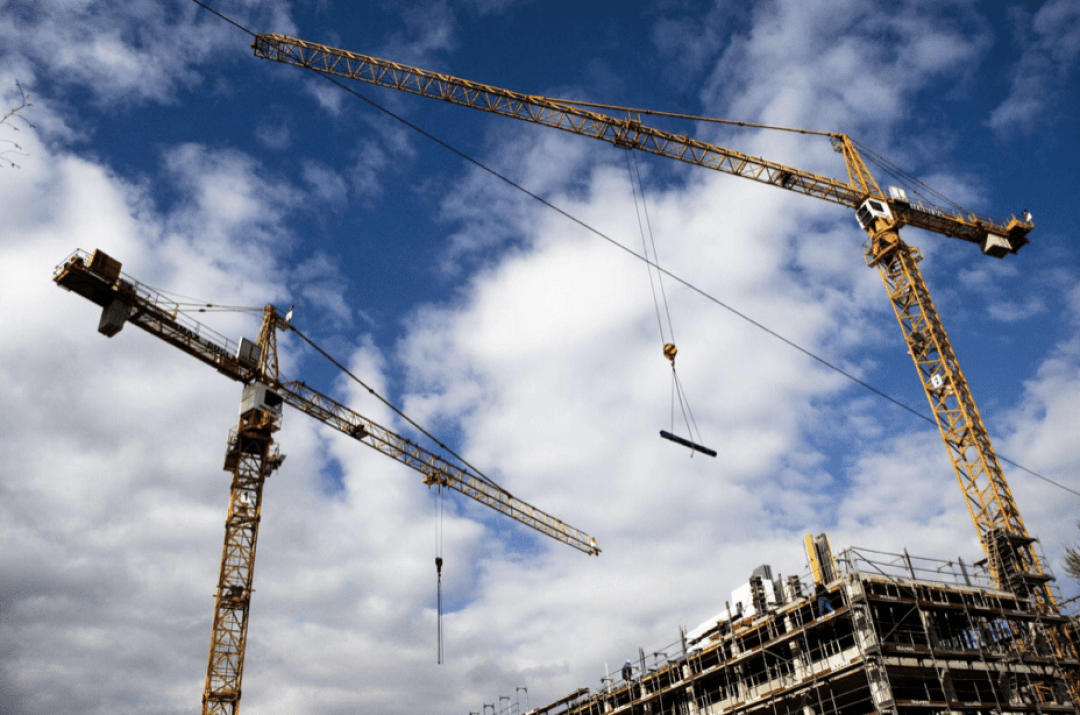
Cranes dot skylines from Bozeman to Kalispell as Montana adds construction jobs faster than nearly any other state. Right now, this pace shows no sign of slowing, so plenty of people look at that demand and decide: now is the time to start a contracting business Montana can actually support.
Still, the paperwork side trips up more newcomers than the actual construction work does. Registration, proof of workers' compensation, and bonding all need to line up before a bid goes out. An agency such as Surety Bonds Agent can help sort out the bond and insurance side while the rest comes together, but beginners still need the basic understanding of how the process works. Below is a step-by-step explanation.
Montana Contractor License Rules Are Different
Most states hand out a general contractor license after a test and a background check. Montana skips the exam and calls the process registration instead.
Even though the phrase Montana contractor license gets used loosely, what the state actually issues is a Construction Contractor Registration. In a traditional sense, this is not a license. The credential runs on a two-year cycle and works as proof of workers' compensation compliance rather than a mark of skill or experience. A contractor whose registration lapses is not authorized to work in the state until it gets renewed.
Who Must Register
Not every person on a job site needs paperwork. The requirement depends on business structure and how the work is set up.
Business status, not the price tag on a job, decides who has to register. Montana law does exempt work that counts as casual, minor, or inconsequential and totals less than $2,500 a job, but that exemption disappears the moment a project gets split into smaller contracts to get around the cap.
Specialty Trades Still Need a License
Electricians and plumbers do not get the easier path that general contractors get. Those trades sit under separate boards with exams and continuing education requirements.
The construction license requirements Montana sets for electrical and plumbing work include a state exam through the Board of Electrical Examiners, something general contractor registration never asks for. Asbestos and lead abatement work carries its own certification through the Department of Environmental Quality as well.
A skipped step for a licensed trade is one of the fastest ways to get a project shut down partway through.
Steps New Contractors Must Complete First
The order matters less than the checklist itself. Most of the following can happen within a few weeks since no exam board holds up the process.
The short version of how to become a licensed contractor in this state comes down to five items, not an exam:
None of these steps involve a written exam, which surprises many contractors who come from states with tougher license boards.
The Real Cost of a Contractor Bond
Bond costs confuse newcomers more than almost anything else in this process. The premium is a small fraction of the total bond amount, not the full amount itself.
Contractor bond cost typically lands between one and three percent of the bond value for a business with solid credit, and it climbs higher for newer companies with thin credit files.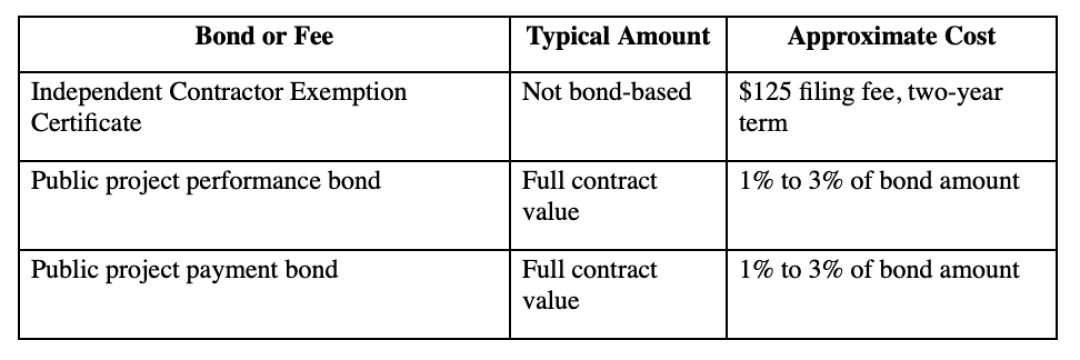
Rates move around based on the surety, the size of the job, and the applicant's financial history, so an early quote avoids surprises once a bid gets awarded.
Montana Construction Regulations Beyond Registration
Registration covers only one slice of the compliance picture. Montana construction regulationsalso touch permitting, job site safety, and how public projects get bonded.
Permits and Job Site Safety
Building permits run through a separate system, which means that the registration with the state is enough. Cities and counties that run a certified building department issue and inspect their own permits, while the state Building Codes Bureau steps in for the areas that have not set up a certified program. Single-family homes are generally outside the state permit process, though a certified city or county can still require one locally.
Job site safety follows a similar split. Montana has no OSHA-approved state plan, so private sector crews answer directly to federal OSHA rather than a separate state safety agency, while state and local government workers fall under their own set of Montana rules instead.
Public Project Bond Rules
Montana's version of the federal Miller Act requires performance and payment bonds on public works contracts over $50,000, though an agency can waive that rule on smaller jobs. A performance bond covers the agency if a contractor walks away before a project is finished, while a payment bond protects subcontractors and suppliers if the general contractor runs into money trouble.
Agencies rarely skip this step on larger jobs, so contractors should price the bond into their bid early to avoid a scramble once the job is awarded. The prime contractor carries the bond, not the subcontractors under them, and the bond amount tracks the full contract price rather than a flat statewide figure.
Demand Outpaces the Workforce
Growth like this brings a familiar problem: qualified crews are hard to find in most regions of the state, and that shortage is one of the biggest complaints from established contractors right now. New entrants who staff a job reliably and keep paperwork current tend to win repeat work faster than those who chase every listed job at once. That gap also means a new operation with a dependable crew can pick up work faster than an established firm still short on hands.
None of the paperwork covered here is complicated on its own, but a skipped piece, whether that is workers' compensation, a specialty license, or a bond, is what actually slows a new contractor down. Registration, permits, and bond coverage work best as one connected checklist handled before the first bid goes out, not three separate errands squeezed in after work is already underway. Contractors who get that order right spend less time chasing paperwork and more time on the job once work begins.