When Living Independently Starts Feeling a Little Too Independent
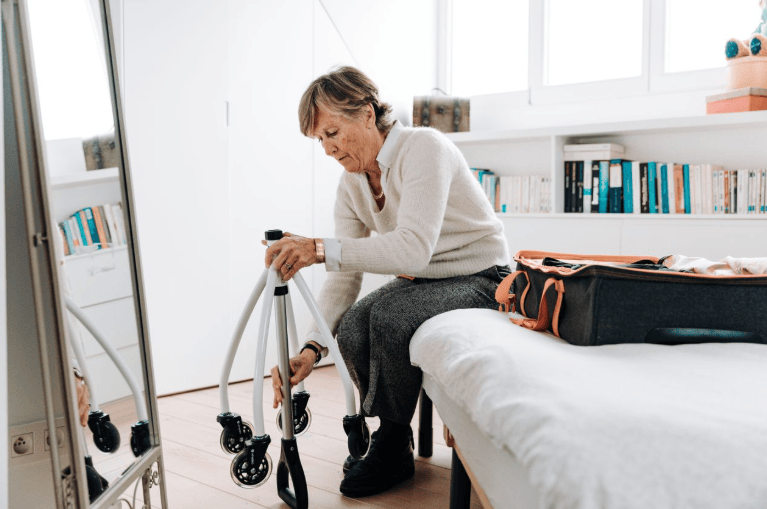
Independence has a funny way of shifting shape as people get older. It doesn't disappear overnight, it just quietly requires more effort than it used to. Getting up the stairs takes a little longer. Cooking dinner feels like more of a chore than it used to. Things that once happened without a second thought suddenly need some planning around.
A lot of people push through this stage without saying much about it, partly out of pride and partly because none of it feels dramatic enough to raise as a real concern. It's just one small adjustment after another, until eventually those adjustments start adding up to something families can't help but notice.
Here's the part that often gets missed though, needing a little extra support doesn't mean giving up independence entirely. It just means finding the right kind of help in the right places, which is really the whole idea behind understanding who assisted living is for in the first place.
When Everyday Tasks Start Taking More Effort
Some of the clearest signs show up in the most ordinary parts of a day. Bathing and dressing might start taking noticeably longer, or feel physically harder than they used to. Meals get skipped more often, not because someone's not hungry, but because cooking suddenly feels like too much effort after a long day.
Housekeeping tends to slip too, dishes piling up, laundry falling behind, small tasks nobody used to think twice about. Transportation becomes trickier as driving gets less comfortable or feels riskier than it once did. Medication routines can slip through the cracks as well, doses missed or taken at the wrong time without anyone noticing right away.
Safety Can Quietly Become a Concern
Safety issues tend to sneak up gradually rather than announcing themselves clearly. A fall that seemed like a one time thing might actually be part of a pattern tied to changing balance or strength. Mobility shifts in general are worth paying attention to, especially if someone's noticeably more hesitant moving around their own home.
Missed medications carry real risk too, particularly for conditions that depend on consistent dosing. Isolation deserves attention as well, since spending long stretches alone can affect both safety and mental wellbeing in ways that aren't always obvious from the outside. None of these signs mean an emergency is imminent, but together they usually point toward a level of support that's currently missing.
Support Without Taking Over
The whole point of assisted living isn't to take over someone's life, it's to fill in specific gaps while leaving everything else alone. Someone who needs help with medication management doesn't necessarily need help with anything else, and the right setting reflects that instead of treating every resident the same way.
That distinction matters a lot to people worried about losing their autonomy. Getting help showering doesn't mean losing the ability to decide how to spend an afternoon. Support here tends to work best when it's targeted, addressing real needs without stripping away the choices and routines someone still very much wants to keep for themselves.
Looking Beyond Physical Needs
Physical support is only part of the picture. Social connection matters just as much, especially for people who've become more isolated as tasks got harder and outings became less frequent. Being around others regularly, without having to plan it, tends to make a bigger difference than people expect.
Activities and shared meals help with this too, creating natural opportunities for connection that don't require much effort to access. Transportation support opens up trips and appointments that might've been getting skipped otherwise. Community, in a lot of ways, ends up mattering just as much as the physical assistance itself.
Conclusion
Needing a little help doesn't mean independence is over, it often means independence gets easier to hold onto with the right support in place. The tasks that had become a daily struggle get handled, while everything else stays exactly as it was.
That's really the shift worth understanding here. The right amount of assistance, applied in the right places, can actually help someone stay more independent longer, not less. Recognizing that early tends to make the whole transition feel a lot less like losing something, and a lot more like getting some breathing room back.