Deck or Screened Porch? How to Choose the Right Outdoor Addition for Your Home
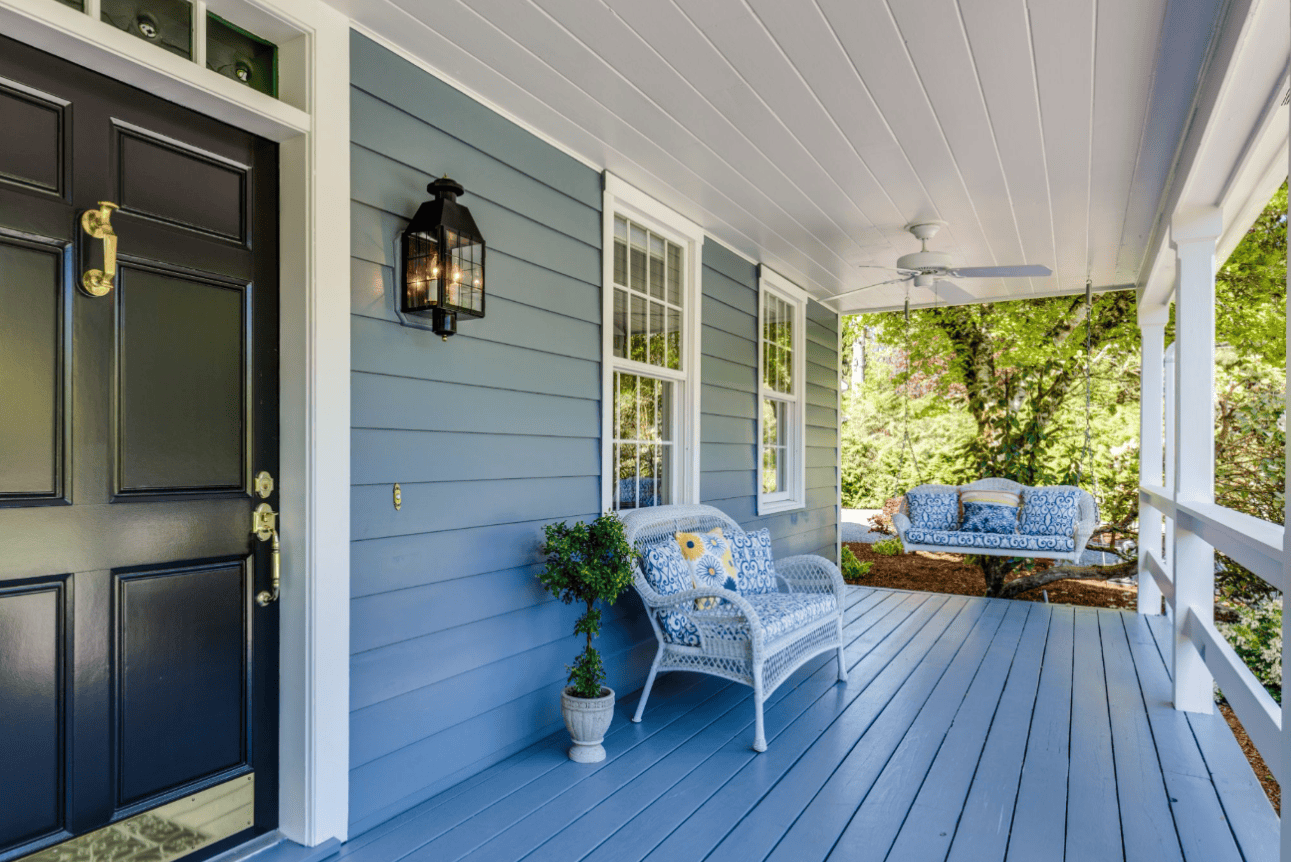
A backyard can look perfectly fine and still go mostly unused. Sometimes the problem is simple: there’s nowhere comfortable to sit, eat, or spend time once the sun gets strong or the bugs come out.
That’s where the choice between a deck and a screened porch starts to matter. A deck keeps you fully outdoors and close to the yard. A screened porch gives up some of that openness in exchange for shade, shelter, and fewer mosquitoes. Neither is the obvious winner for every home.
The better question is how you want the space to feel on a normal day.
Think About a Tuesday, Not a Party
Big gatherings are easy to imagine when planning an outdoor space. Everyday use is more revealing.
Would you carry dinner outside after work? Sit with coffee before the day starts? Let the kids move back and forth between the house and yard? Or would you rather have a quieter place where you can read in the evening without swatting at bugs?
Those habits point you in different directions.
Decks tend to work well for households that want easy access to the yard and room to grill, eat, and move around. Screened porches make more sense when comfort matters more than openness, especially if heat, insects, or sudden rain regularly send everyone back indoors.
A Deck Keeps the Backyard Feeling Open
For many homes, a deck feels like the most natural extension of the yard.
There are fewer visual barriers, and the space can shift easily from one use to another. A dining table can sit near the house while lounge chairs face the garden. A grill can stay close to the kitchen door. Planters, umbrellas, and movable furniture can change with the season.
The tradeoff is exposure.
An open deck gets whatever the weather brings. Afternoon sun can make it uncomfortable at certain hours, and wind, leaves, pollen, and rain all become part of the maintenance routine. Where the deck sits can matter almost as much as its size. A beautiful layout won’t get much use if it bakes in direct sun every afternoon.
A Screened Porch Gives You More Control
A screened porch changes the experience in a different way.
You still get fresh air and a connection to the yard, but with a roof overhead and a barrier between you and the insects outside. That can stretch the number of hours the space feels comfortable, especially during hot afternoons, humid evenings, or light rain.
It also tends to feel more settled. Add a ceiling fan, comfortable chairs, and a small table, and the space starts behaving more like an outdoor room than an open platform.
That works well for people who want somewhere to linger. If the goal is reading, talking, eating, or relaxing outside for an hour or two at a time, the extra shelter can be worth the enclosure.
Look at the Whole Backyard
A deck or porch shouldn’t be planned as if the rest of the yard doesn’t exist.
Start with the obvious things. Where are the doors? Which direction does the sun hit? Is there already a patio, garden, pool, or play area? Where do people naturally walk?
Those details often expose problems before construction starts.
A broader plan can also make room for more than one feature. Crafted Decks and Porches works with decks, screened porches, patios, pergolas, outdoor kitchens, fireplaces, and masonry features, which reflects the way many backyards function best when different areas have different jobs.
A dining area doesn’t need to take over the entire yard. Neither does a porch. Leaving some open space gives the property more flexibility later.
Be Honest About Maintenance
Every outdoor space needs care. The type of care changes with the structure and materials.
Open decks catch leaves, pollen, dirt, and rain directly. Wood may need staining or sealing over time, while composite decking usually cuts down on some of that routine work.
A screened porch is more protected, but it isn’t maintenance-free. Screens collect dust. Floors still get dirty. Pollen finds its way in. In damp climates, enclosed corners can hold moisture longer than expected.
It helps to be realistic here. A material that looks great but demands more upkeep than you’re willing to give it will become frustrating quickly.
The Addition Should Look Like It Was Always There
Some outdoor projects blend into a house so naturally that they feel original. Others look added on the moment you see them.
Scale plays a big role. So do rooflines, railings, materials, and the way you step from inside to outside. A porch that overwhelms a smaller house can feel awkward. A tiny deck on a large rear elevation can have the opposite problem.
How you move between the house and the new space matters just as much.
If dinner has to travel through two rooms and down an inconvenient set of steps, the outdoor dining area may not get used very often. A clean connection from the kitchen or living space makes daily use much easier.
Good design usually feels obvious after it’s built. Getting there takes more thought than it appears.
Keep Resale in the Back of Your Mind
You don’t have to design an outdoor space for a future buyer. Still, it helps if another person can understand what the space is for without much explanation.
When resale is part of the picture, staging outdoor spaces with clear walkways and purposeful furniture placement can help buyers see how the area fits into everyday life.
That doesn’t mean avoiding personal choices. Build for the way you live now. Just be cautious about features so specific that they limit how the space can be used later.
Flexibility tends to age well.
Daily Use Matters More Than a Spreadsheet
Home projects often get judged by one question: Will this increase resale value?
That matters, but it leaves out the part homeowners experience every day.
If a deck gets the family outside for dinner several nights a week, that matters. If a screened porch becomes the place everyone ends up after work, that matters too. Research into outdoor remodeling has found greater enjoyment at home after remodeling, which is a useful reminder that value isn’t always measured at the closing table.
Some improvements start paying off simply because you use them.
Choose the One You’ll Actually Use
A deck makes sense when you want an open connection to the yard, flexible seating, and easy outdoor entertaining. A screened porch is often the better fit when shade, bug protection, and comfort across more types of weather matter more.
Try not to choose based on which one looks better in photos.
Picture an ordinary evening at home. Where would you rather sit? What would make you stay outside longer? Which option would make the backyard feel easier to use instead of giving you one more space to maintain?
That answer is usually more useful than any rule of thumb.